
Bev Ditsie: a pioneer in the defence of human rights, social change and socially conscious audiovisual production
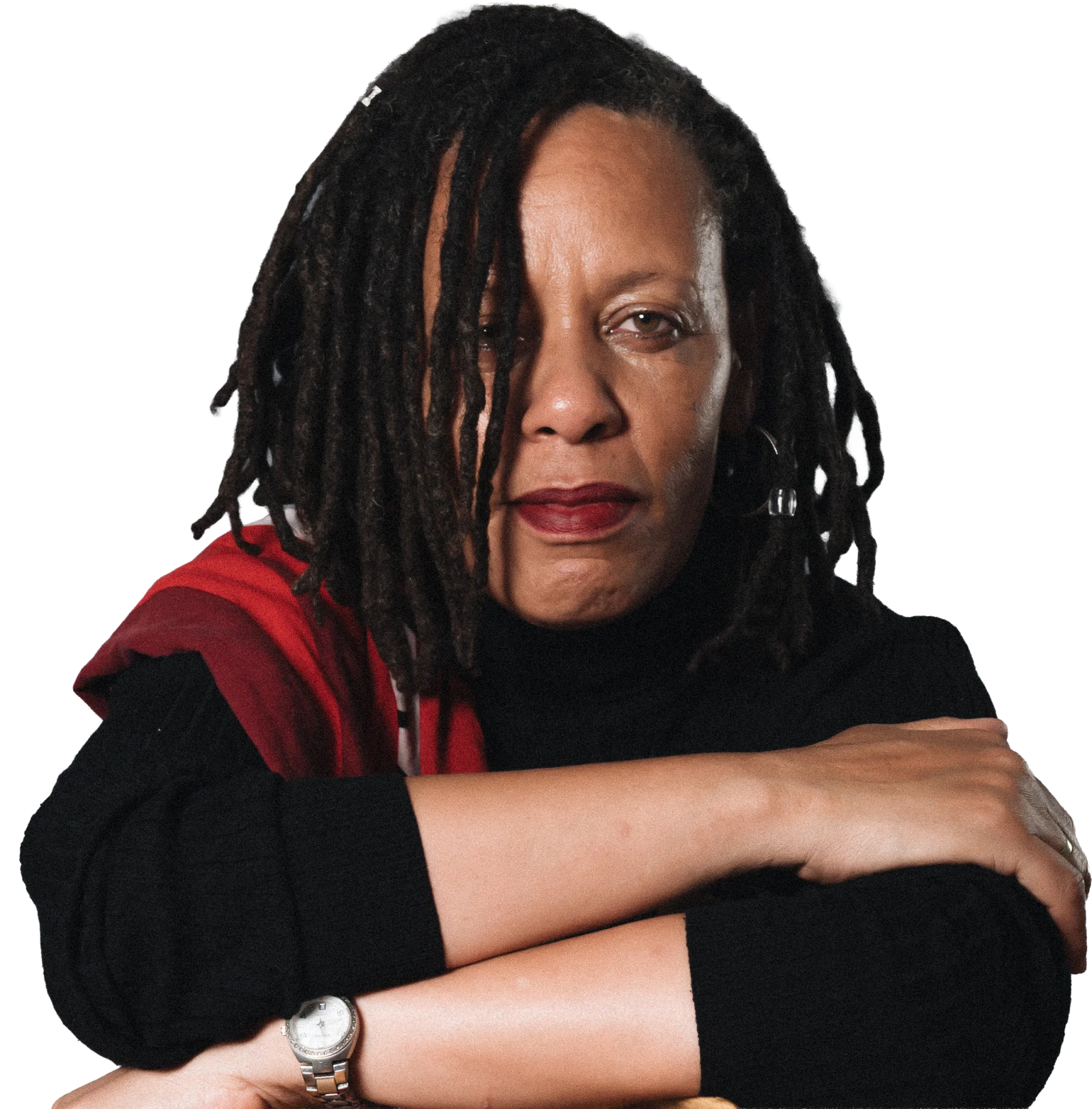
Bev Ditsie is an activist, filmmaker, musician, performer and television producer born in Soweto in 1971. They have been a key figure in the defence of LGBTIQ+ rights in South Africa and other countries, and one of the first black lesbian women in South Africa to publicly declare their identity during the height of the apartheid era. This was an act of immense personal courage in a context marked by violence, criminalisation and exclusion, which paved the way for many others who were then condemned to silence.
Their leadership emerged at a very young age as a co-founder of GLOW (Gay and Lesbian Organisation of the Witwatersrand), a key organisation in the development of the South African LGBTIQ+ movement. They used this platform to advocate for an intersectional struggle that combined resistance against apartheid with the defence of black women, queer people and marginalised communities. In 1990, they led the first Johannesburg Pride March, a historic event that brought together hundreds of people and paved the way for future mobilisations for equality in Africa and around the world.
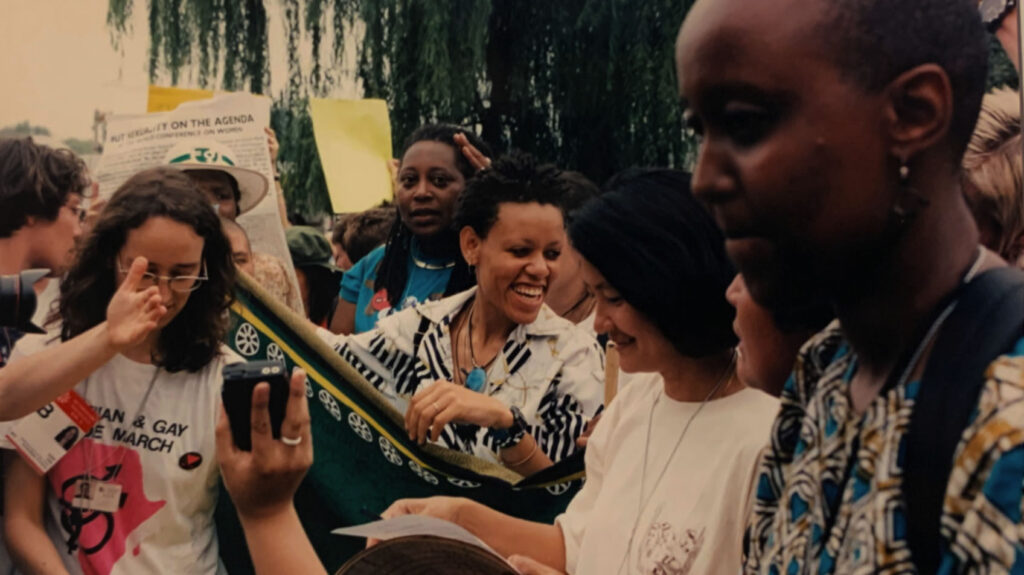
In 1995, Ditsie made history by becoming one of the first black lesbian women to speak openly before the United Nations during the World Conference on Women in Beijing. On that occasion, Bev denounced the violence, invisibility and discrimination suffered by lesbians around the world, calling for LGBTIQ+ rights to be recognised as universal human rights. Their speech marked a global milestone in the political representation of sexual diversity.
Their political activism played a decisive role in the consolidation of democracy in South Africa. Alongside other activists, Ditsie helped ensure that the 1996 Constitution included protection against discrimination on the grounds of sexual orientation, an unprecedented step forward on the international stage. Furthermore, Bev was part of the social movement that led to the decriminalisation of sodomy laws in 1998, thereby strengthening the framework of freedoms and rights in the new country.
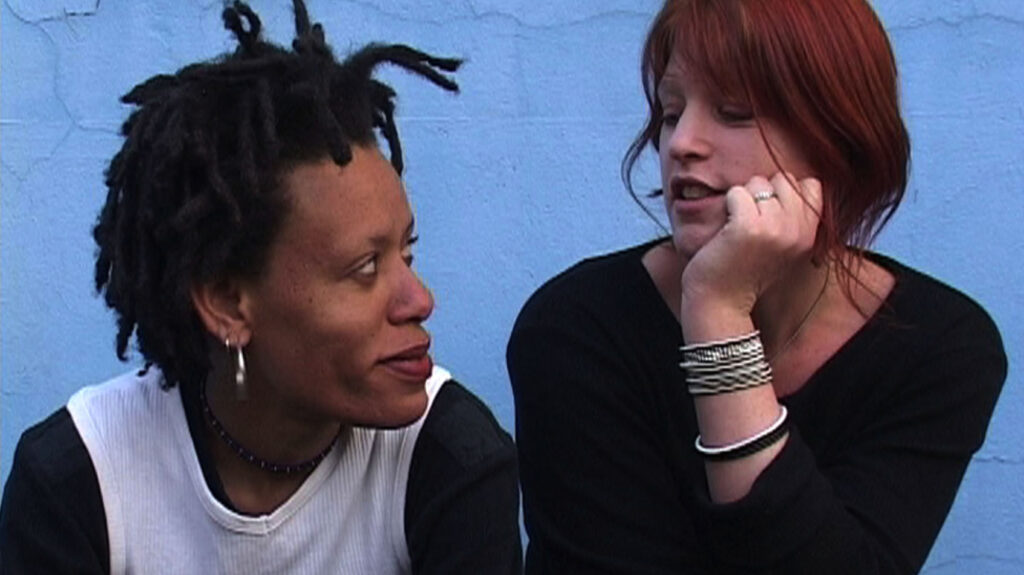
Their social commitment also extended to the fight against HIV/AIDS, promoting public awareness and access to antiretroviral treatments at a critical time for South Africa. These issues feature prominently in their first international audiovisual work, the documentary Simon and I (2002), co-directed with Nicky Newman. It is a seminal work in preserving the history of South African queer activism and paying tribute to Simon Nkoli. Furthermore, Ditsie has developed an artistic career using music, dance and film as tools for cultural change, placing them at the service of the community and memory. In The Commission – From Silence to Resistance (2007) or in Lesbians Free Everyone – The Beijing Retrospective (2020), where, 25 years on, the filmaker collects testimonies from the 1995 UN meeting.
Honouring Bev Ditsie with an honorary award means paying tribute to a pioneer who has transformed regulatory frameworks and challenged laws, consciences and collective imaginations. Theirs is a life’s work that turns pain into courage, exclusion into hope and memory into a future, and which continues to build a living legacy of resistance, social justice and emancipation.
Retrospective – Bev Ditsie